Web Design Trends That Actually Convert
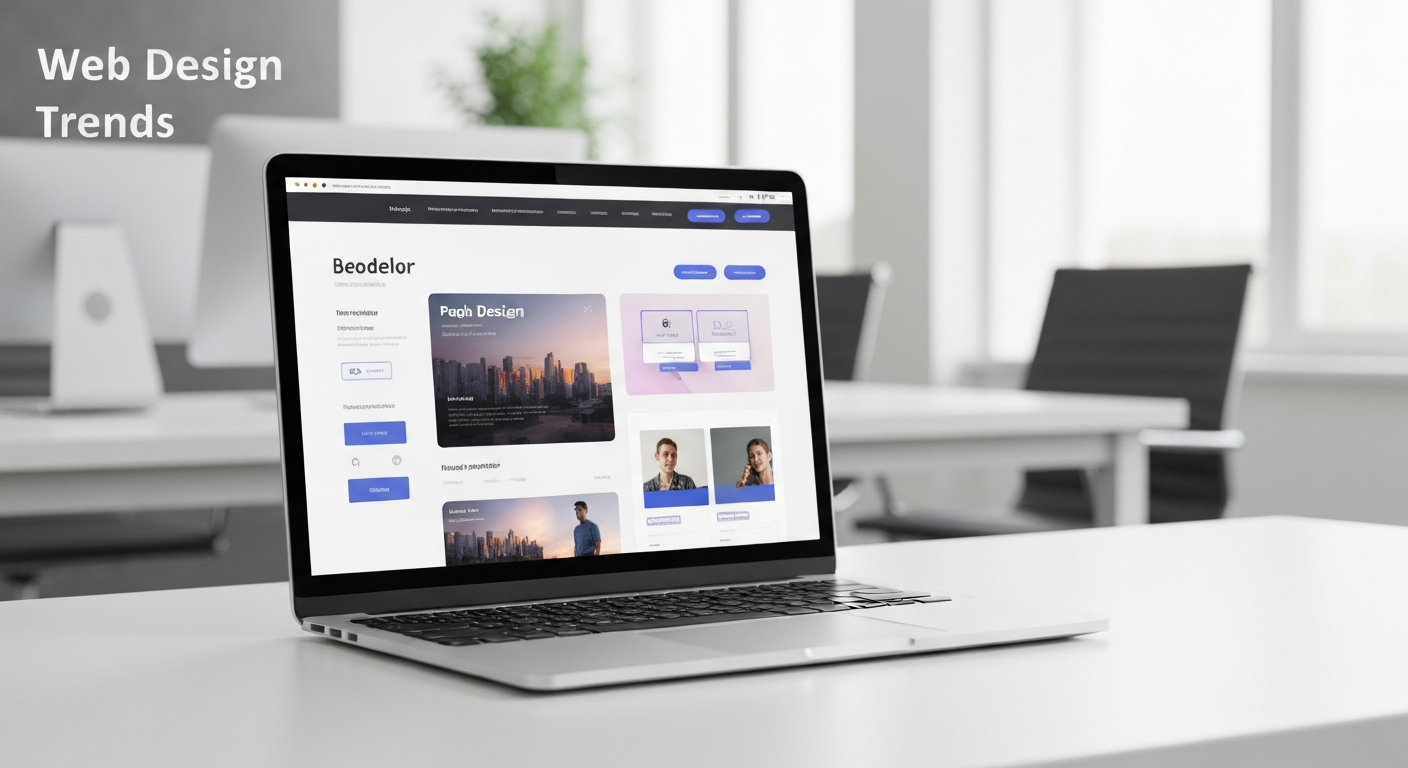
A website needs to be more than just an online brochure. It needs to be a highly optimized, conversion-focused machine. While aesthetics are important, the design choices you make must ultimately serve the goal of driving user action. Check out our Web Design services for more insights.
The Shift Towards Conversion-Centric Design
The days of flashy, overly complex websites are fading. Today, users value speed, clarity, and ease of use. A beautiful website that confuses users or takes too long to load will ultimately hurt your bottom line. Every element on your page—from the color of a button to the spacing between paragraphs—should be engineered to guide the visitor toward a specific goal, whether that's making a purchase or filling out a contact form.
"Design is not just what it looks like and feels like. Design is how it works."
Key Web Design Trends Driving Conversions
- Speed is the Ultimate Feature: Users expect pages to load almost instantly. Optimize images, leverage browser caching, use content delivery networks (CDNs), and minimize code to ensure your site is blazing fast. A delay of even a few seconds can drastically increase your bounce rate.
- Clear and Compelling CTAs: Your Call-to-Actions (CTAs) should be the most prominent elements on your page. Use contrasting colors, clear, action-oriented language ("Get Your Free Quote" instead of "Submit"), and strategic placement to guide users.
- Mobile-First Approach: With the vast majority of web traffic now coming from mobile devices, a mobile-first design approach is non-negotiable. Your site must look and function perfectly on smaller screens, featuring large tap targets, readable font sizes, and streamlined navigation menus.
- Trust Signals and Social Proof: Building trust is essential for conversions. Incorporate trust signals such as customer testimonials, detailed case studies, security badges, partner logos, and industry certifications prominently throughout your design.
- Micro-Interactions for Engagement: Subtle animations, like a button slightly changing color when hovered over or a form field highlighting when clicked, provide immediate feedback to the user. These micro-interactions make the site feel responsive and alive, subtly encouraging users to continue interacting.
- Dark Mode Optimization: Offering a dark mode alternative is no longer a gimmick; it's an accessibility preference for many users. Ensuring your site looks stunning and remains highly readable in dark mode shows attention to detail and user preference.
The Role of Accessibility
Designing for accessibility ensures that everyone, including people with disabilities, can use your website. This includes proper color contrast, alt text for images, and keyboard-navigable menus. Not only is this the right thing to do, but it also expands your potential customer base and can even improve your SEO.
Conclusion
By focusing on speed, clear CTAs, mobile optimization, trust signals, and user-centric design principles, you can create a website that not only looks incredible but also effectively converts visitors into paying customers. Great design is functional, intuitive, and relentlessly focused on results.
KAL Digital Team
We are a team of passionate digital marketers, designers, and developers dedicated to helping local businesses in Toronto and the GTA grow their online presence.